Samburu: is a safari safe alone? For most solo travelers, the answer is yes. The real question is whether your plan matches the place. Samburu’s risks are specific. They are wildlife, heat, remote roads, and movement after dark. A calm solo safari depends on choices made before you arrive.
Samburu: Is a Safari Safe Alone? The Short Answer
Yes, Samburu is generally safe for solo travelers who book through a reputable operator, stay at an established lodge or camp, and follow their guide’s instructions. The main risks are wildlife encounters, isolated roads, heat, and walking after dark rather than ordinary tourist crime inside the reserve. Solo guests should avoid independent movement and use organized transfers and guided activities.
Use This Checklist to Choose a Safe Samburu Trip
This list is for people who want a private, low-stress safari. Use it as you compare operators and camps.
1. Start With an Operator Who Knows Solo Travel
Choose the operator before you choose the camp. The operator coordinates your transfer, your guide, and your lodge. A good operator will ask how you want to travel alone. It will know which areas allow guided walking. It will share emergency procedures without being asked. Ask direct questions. How many solo travelers do they take to Samburu? Who meets you at the airstrip? What happens if your flight is delayed? Vague answers are a warning sign.
2. Separate Samburu National Reserve From Nearby Conservancies
Your solo safety plan changes with the land you choose. Samburu National Reserve is the best known of the region’s protected areas. Buffalo Springs and Shaba sit close by but feel different. Nearby Samburu conservancies often have fewer vehicles. Their rules for walking and night drives differ. For a quiet trip, ask for an area with low vehicle density. Also ask how the camp moves you between gates and lodge. Samburu National Reserve safety is not one simple answer.
3. Vet the Lodge or Tented Camp
Your camp is your home base. Samburu safari camp safety depends on staff and procedures. A well run camp will brief you on arrival. It will provide an escort after dark. It will keep radios and emergency contacts ready. Ask about staff training. Ask about medical response. Ask what the camp does if wildlife blocks a path. If the answers are practical, that is a good sign. Understanding why safari camps lock tents at night will help you judge any property.
4. Follow Wildlife Rules on Game Drives
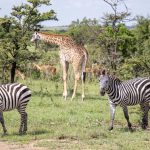
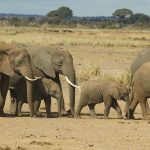
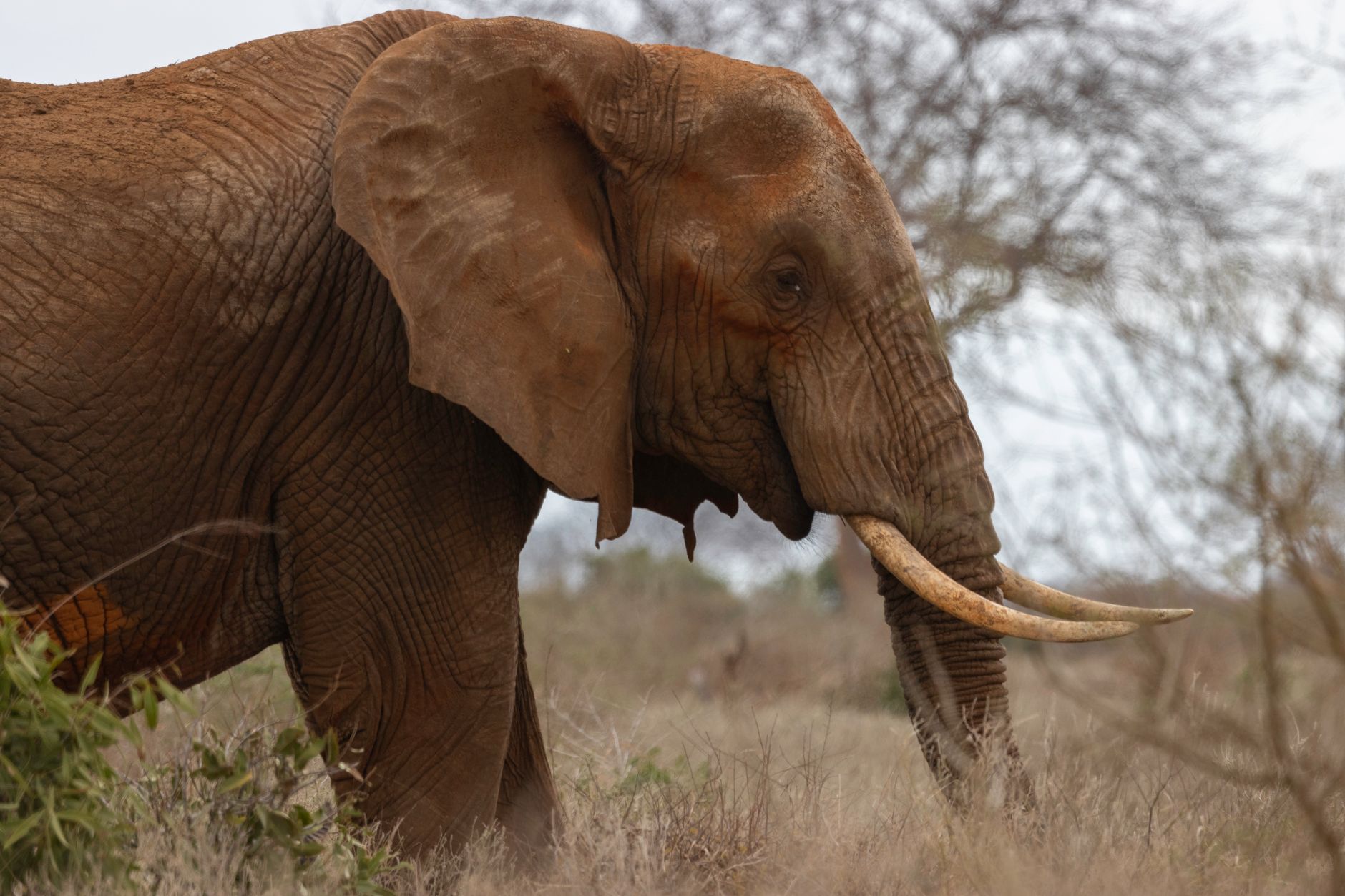
Your guide sets the rules. Stay seated unless told otherwise. Keep your voice low. Samburu has elephants, buffalo, leopards, reticulated giraffes, and gerenuk. Elephant families can react quickly. Leopards move through riverine trees without warning. When the vehicle stops for Samburu’s distinctive giraffe species, wait until the guide positions the vehicle before you shift. Do not ask for a closer approach. Never leave the vehicle in the bush.
5. Treat Walking as an Organized Activity
Do not walk alone in Samburu. That includes the edge of camp, the riverbank, and picnic stops. A trained guide or ranger must lead every walk. Many conservancies arrange guided walking safaris in Samburu, and these can be a highlight. The safety value comes from the guide’s knowledge of animal behavior. Keep your distance, listen, and follow instructions at all times.
6. Keep Night Movement Official
After dinner, ask staff to walk you back to your tent. Even a nearby tent can sit on an animal path. Carry a torch. Keep your tent door closed. If the camp has an alarm, ask about the sound. Wildlife can move through camp at night. This is part of what happens on safari after dark. Use the same caution in a tent or a stone room.
7. Plan Health, Malaria, and Emergencies
Malaria is present in Samburu. The risk is lower than in wetter parts of Kenya, but prevention still matters. Talk to a travel health clinician before you go. Bring repellent and use it after sunset. Sleep under a net when possible. Samburu is hot and dry. Carry water and electrolytes in your daypack. Emergency care is basic and far away. Travel insurance with evacuation cover is essential, not optional. Keep your operator’s emergency number on your phone.
8. Manage Dry and Wet Season Trade Offs
The season changes your safety and comfort. Dry months bring heat and dust. Wildlife gathers near the Ewaso Ng’iro River. Wet months make the bush greener. Roads get rougher and sightings spread out. Neither season is unsafe. Each changes what a solo traveler should expect. Ask the operator how the current season will affect roads, walking, and game drives.
9. Build Comfort Into the Trip
When people type samburu: is a safari safe alone, they usually want one answer. The honest answer is yes, with the right operator. The next step is comfort. Ask about a private vehicle. Ask about the single supplement before you compare prices. Keep your schedule simple. Staying two or three nights at one good camp beats moving daily. A simple plan reduces risk and adds calm.
Your Next Step: Compare Safari Operators
The next concrete step is to compare safari operators before you pay a deposit. Start with one that answers every question in this checklist. Browse packages with Valley Safaris, compare safari operators on FindMySafari, or start at Trunktrails Safaris. The right operator will make the answer to solo Samburu travel feel simple.
More safari planning resources
- Samburu map and Special Five from SafariPure
- Samburu National Reserve guide from Trunktrails Safaris
- Map of Samburu from Valley Safaris
- Samburu destination guide on FindMySafari